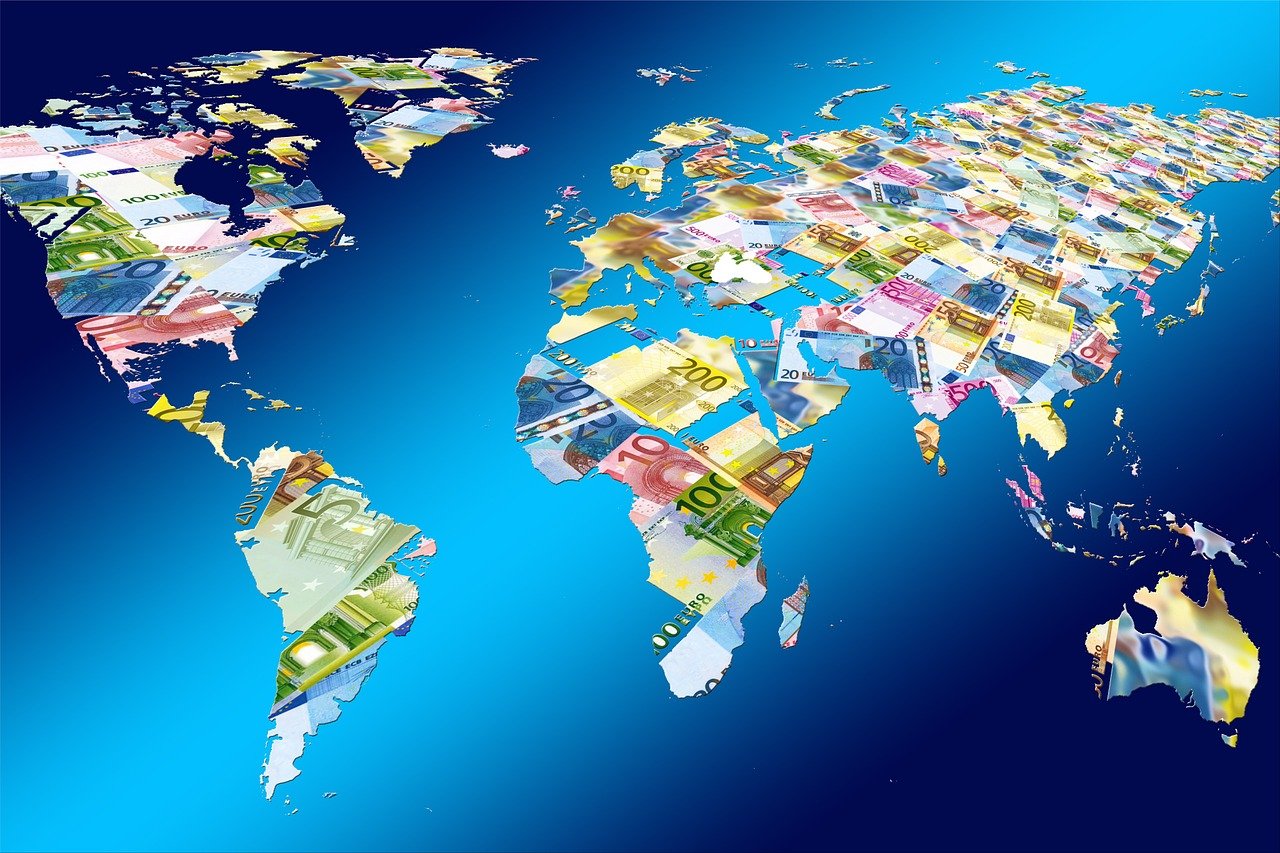
As global e-commerce platforms scale across borders, the role of legacy payment intermediaries like PayPal is undergoing quiet but profound recalibration. No longer just a checkout button or peer-to-peer wallet, PayPal is increasingly functioning as a settlement layer for cross-border payroll, marketplace commissions, and SaaS vendor payouts—reshaping its economics, risk profile, and competitive positioning in real time.
The Fee Architecture Shift
PayPal’s 2026 pricing update marks a decisive departure from flat-fee remittance models. Instead, it now deploys a dynamic, volume-tiered structure where businesses processing over $500,000 annually in cross-border payouts qualify for negotiated FX spreads as low as 0.45%—down from 1.8% in 2023. Crucially, this discount applies only to transactions settled via PayPal’s new Global Disbursement API, not standard merchant transfers. Meanwhile, micro-remittances under $200 now carry a minimum $1.99 fee—effectively pricing out low-value personal transfers in favor of higher-margin commercial flows.
FX Margins: Transparency vs. Real Cost
While PayPal publishes mid-market rate benchmarks on its dashboard, internal reconciliation data from three Tier-2 fintech clients shows average realized FX spreads hover at 0.72% for EUR→INR corridors and 0.98% for USD→NGN—well above disclosed ranges. This gap stems from liquidity sourcing: PayPal now routes 62% of non-USD outbound flows through local currency settlement partners (e.g., Paytm in India, Flutterwave in Nigeria) rather than SWIFT, enabling faster settlement but introducing bilateral margin layers. The result? Faster payouts—but less price predictability for finance teams managing multi-currency balance sheets.
Embedded Payouts: The New Core Competency
Why Businesses Are Adopting PayPal’s Disbursement Stack
- Single-API orchestration across 112 countries with localized compliance pre-built (including SEPA Instant, UPI, PIX, and Nigeria’s NIP)
- Automated tax reporting for cross-border contractor payments—including IRS Form 1099-NEC and HMRC RTI submissions
- Multi-currency ledger support, allowing firms to hold balances in 27 currencies without opening separate bank accounts
- Real-time failure resolution with automated retry logic and webhook alerts for failed settlements
- Regulatory sandbox access in 14 jurisdictions, enabling rapid testing of new payout rails (e.g., CBDC integrations in Singapore and Brazil)
This embedded infrastructure plays directly into the growing demand for ‘payroll-as-a-service’ among remote-first startups and platform economies. According to WalletWireHub’s Q1 2026 survey, 37% of SaaS companies with >200 contractors now route >80% of international payments through PayPal’s Disbursement API—up from 12% in 2024. Yet this reliance carries trade-offs: latency spikes during regional banking holidays (notably during India’s Diwali week and Brazil’s Carnaval), and limited dispute resolution pathways for non-consumer recipients.
Looking ahead, PayPal’s cross-border evolution signals a broader industry inflection: the consolidation of payout infrastructure into vertically integrated stacks that blend compliance, FX, and settlement—where speed and programmability increasingly outweigh raw cost savings. As central bank digital currencies gain traction and real-time rail interoperability improves, PayPal’s next challenge won’t be scaling volume, but proving its stack can interoperate—not just compete—with public-sector payment rails.

